Destructive Testing

Tensile, Impact
& Hardness

Verify the real mechanical strength of your components. Magnus coordinates tensile, impact, and hardness testing through accredited labs with full reports and certificates on every critical part.

What is destructive testing?

Destructive testing measures how a material truly performs by testing a sample to failure. For metal components, it confirms the actual mechanical properties strength, toughness, and hardness against your specification and the relevant standards.

Magnus coordinates this testing through accredited partners, so every critical part ships backed by verified data, not assumptions.
Key Benefits

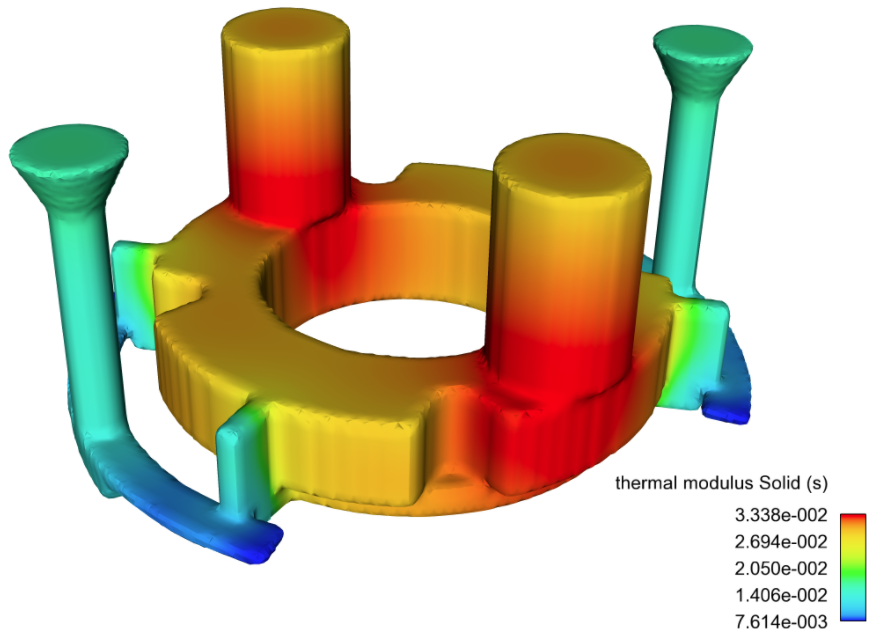
Metal flow simulation CQCQXItK
★ Applications

What We
Test

Tensile Testing

Measures tensile strength, yield strength, and elongation by pulling a sample to failureconfirming a material's load-bearing capacity.

  • Standards: ASTM E8 · ISO 6892

Impact Testing

Charpy or Izod testing measures toughness the energy a material absorbs before fracturing, including at low temperatures.

  • Standards: ASTM E23 · ISO 148

Hardness Testing

Rockwell, Brinell, or Vickers methods measure resistance to indentation confirming heat treatment and surface condition.

  • Standards: ASTM E18 · E10 · E384
★ Process

How it
Works

The Process

  • Test requirements agreed from your drawing and specification
  • Samples drawn from the production batch
  • Testing carried out at accredited partner labs
  • Results reviewed against your specification

What You Get

  • Tensile, impact, and hardness test reports
  • Material certificates and traceability
  • Clear pass/fail against the agreed standard
  • Documentation packaged with the shipment
★ Ready to Start?

Verify your components
with confidence.

Tell us your part and the standards it must meet. Magnus will coordinate the right tests and provide full report